
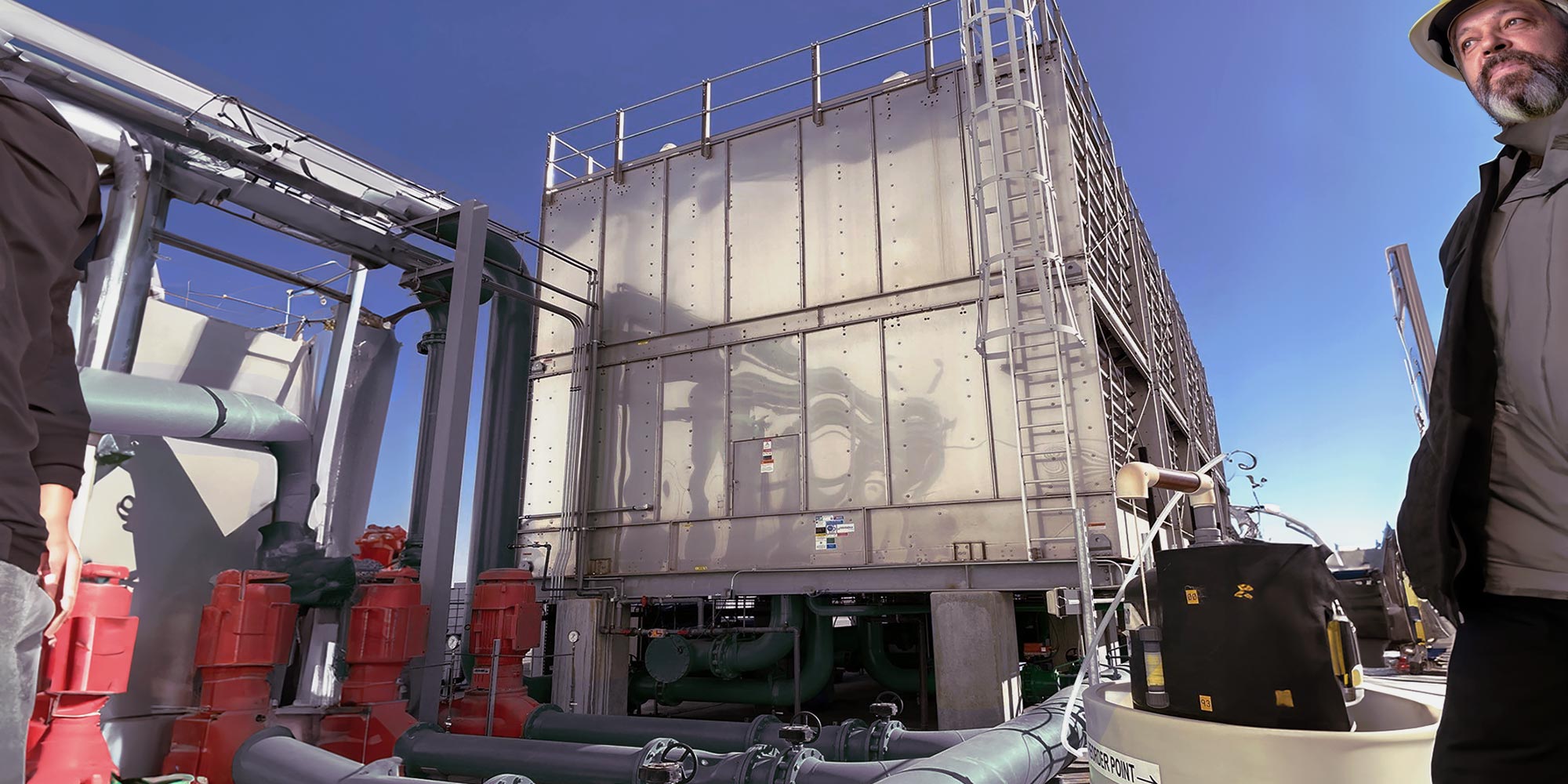
In cooling tower systems, fan belts are one of those parts that can be easy to overlook until they start causing real trouble. The frustrating part is that there is no single replacement schedule that fits every tower. Cooling fan belts do not usually get replaced on a neat calendar like clockwork. Instead, they should be inspected regularly and replaced when wear, slippage, cracking, glazing, stretching, or tension problems show that they are no longer doing the job properly.
That said, the practical answer for many facilities is this: inspect belts monthly, check tension and alignment on a routine schedule, and expect periodic replacement as part of normal preventive maintenance. In a harsher environment, or on equipment that runs hard for long hours, belts may need replacement sooner than expected.
THERE IS NO ONE SIZE FITS ALL TIMELINE
A cooling fan belt’s life depends on more than age alone. Operating hours matter. Load matters. Heat, moisture, dirt, chemical exposure, and alignment all matter too. A belt on a lightly used system in a cleaner environment may last much longer than one on a tower that runs constantly through a demanding season.
That is why smart maintenance teams usually focus less on guessing a number of months and more on building a solid inspection routine. If the belt still has proper tension, shows no unusual wear, and is running on aligned sheaves, it may still have useful life left. If not, waiting longer usually is not worth the risk.
WHAT CAUSES BELTS TO WEAR OUT FASTER
Improper tension is one of the biggest reasons fan belts fail early. A belt that is too loose can slip, reduce efficiency, and wear down faster. A belt that is too tight can place extra stress on the belt and related components. Misaligned pulleys can also create uneven wear that shortens belt life.
Environmental conditions are another big factor. Cooling towers do not live in gentle conditions. Heat, humidity, and contamination can all work against belt life. Over time, that combination can leave belts brittle, glazed, stretched, or visibly damaged.
SIGNS IT IS TIME TO REPLACE THE BELT
A good inspection often tells the story before a breakdown happens. Cracks, frayed edges, glazing, unusual noise, visible wear, or repeated difficulty holding proper tension are all signs that replacement may be due. Slippage is another red flag, especially if tower performance starts to suffer.
It is also important to look beyond the belt itself. Worn sheaves, poor alignment, and tension issues can keep destroying new belts if the underlying problem is not corrected.
REPLACE BELTS THE RIGHT WAY
When a multi belt drive is involved, belts should generally be replaced as a matched set rather than one at a time. Mixing old and new belts can create uneven load sharing and lead to more problems. It also makes sense to inspect the sheaves and alignment at the same time, because replacing a belt without checking the rest of the drive system is only doing half the job.
This is one of those maintenance tasks where doing it thoroughly saves time later.
PREVENTIVE MAINTENANCE BEATS SURPRISE DOWNTIME
Cooling fan belts are not especially glamorous, but they matter. A worn belt can reduce efficiency, hurt performance, and create avoidable downtime. Regular inspection is what keeps replacement from becoming an emergency.
REFERENCES
Universal Tower Parts, Cooling Tower Fan Belts
Universal Tower Parts, Cooling Tower Fan Belt Supplier
Universal Tower Parts, Cooling Tower Fan Sheaves
SPX Cooling Technologies, Service Information Bulletin
SPX Cooling Technologies, Marley Primus Cooling Tower User Manual
Baltimore Aircoil Company, Parts and Maintenance Guide
Cooling Tower Replacement Parts
Cooling towers operate in highly corrosive environments and in many hot regions of the country like Arizona they run nearly all year. To keep your cooling tower running efficiently and extend its life. Whether you need cooling tower drift eliminators, float vales, or any other cooling tower part, Universal Tower Parts can supply it.
Give us a call today – 602-997-0403
Universal Tower Parts In Phoenix, AZ
Universal Tower Parts provides stainless steel and galvanized options, welded and gasketed, direct, gear reducer and belt drive units, with efficient Jedair fans, and Jedair low noise fans. Strainers, fan guards and louvers are well constructed, and designed to operate efficiently as they perform their function. Cool Core drift eliminators and fill are made by Universal Tower Parts expressly for our towers.